Share
This guide is written for businesses in Ghana, where flyers are still one of the cheapest and most trusted ways to reach customers at markets, churches, schools and busy junctions.
In a world of social media and search ads, it is easy to think printed flyers belong to the past. Yet flyers and brochures remain one of the most widely used forms of advertising for small businesses, restaurants, schools, churches, clinics, events and political campaigns. They are cheap to produce, quick to print and can be placed directly in the hands of people in a specific area.
The difference between flyers that work and flyers that end up in the bin is usually planning: the right message, a strong design, smart distribution and a way to track response. This guide covers all four.
Flyer advertising in Ghana: what works
- Distribute where people pause: lorry stations, church gates after service, school gates at closing time, mall entrances, markets on busy days and outside your shop.
- Use friendly, branded staff who greet people and explain the offer briefly.
- Print a clear offer and a large WhatsApp or phone number, with a landmark rather than a street address.
- Add a code, such as “FLYER10”, so you can count responses.
- Respect rules: some assemblies restrict leafleting and littering, and malls and private premises need permission.
- Avoid waste: target the right areas instead of printing huge numbers.
Our guide to low-cost advertising in Ghana shows how flyers combine with radio vans, banners and car branding.
Do flyers still work?
Yes, when used well. Flyers work because they are:
- Physical. People hold them, which makes them more memorable than a passing screen ad.
- Local. You choose exactly which streets, markets, offices or events to reach.
- Cheap. Printing costs per copy are low, especially in larger quantities.
- Fast. You can design, print and distribute within days.
- Trackable. With a code or dedicated number, you can count responses.
- Inclusive. They reach people who are less active online.
Flyers work poorly when they are badly designed, handed out to the wrong people, or give no reason to act.
Flyers, leaflets and brochures: what is the difference?
- Flyers are usually single sheets, printed on one or both sides, used for quick promotions and events.
- Leaflets are similar, sometimes folded once, often with slightly more information.
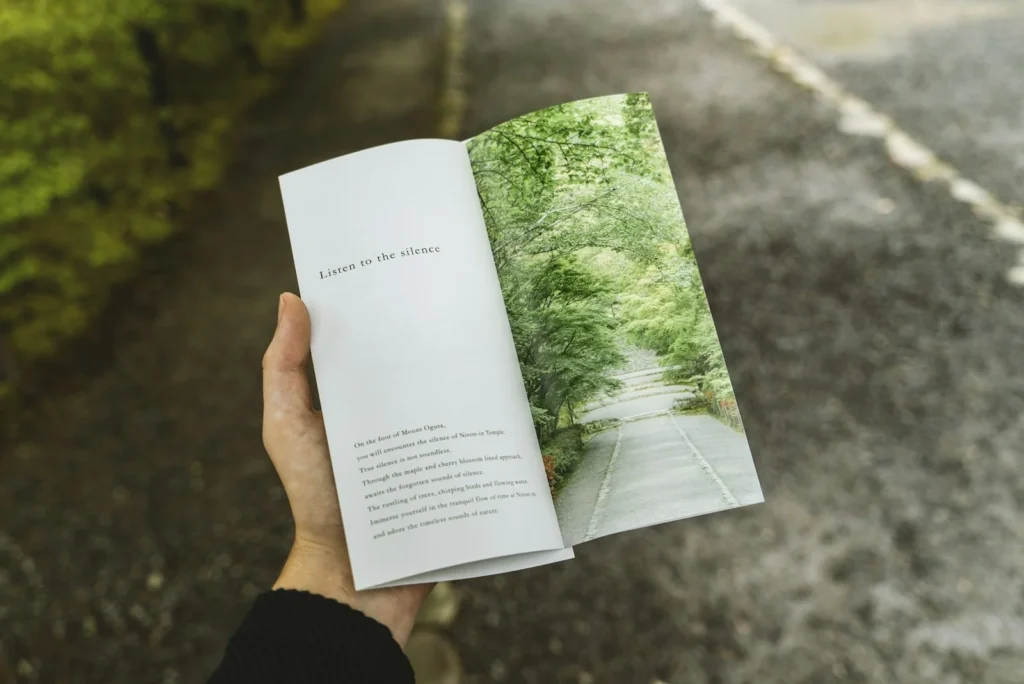
- Brochures are folded or bound documents with several pages, used to explain products, services, schools, hotels or properties in more detail.
Use flyers for simple offers and events. Use brochures when customers need more information before deciding, such as school admissions, real estate, healthcare or professional services.
Designing a flyer that gets read
Lead with one strong headline
People decide in a second or two whether a flyer is worth reading. Put the main benefit in a large headline: “Free delivery this weekend”, “School admissions open”, “50% off all braids on Tuesday”.
Make the offer clear
Say exactly what people get, the price or discount, and the deadline.
Use a strong image
A clear photo of the product, the food, the venue or happy customers helps people understand the offer instantly.
Keep the layout simple
Use one main image, the headline, a few short points and contact details. Leave space around elements so the flyer does not look crowded.
Make contact details easy
Include a phone number, WhatsApp number, address with a simple landmark, and opening hours. A short web address or QR code can help, but do not rely only on online options.
Add a reason to keep it
A discount coupon, a menu, a price list, a calendar or useful information gives people a reason to keep the flyer instead of throwing it away.
Design both sides
If you print double-sided, use the back for details: a menu, map, price list or terms.
The same principles that make billboard copywriting work apply to flyers: one idea, clear benefit, simple action.
Printing your flyers
Sizes
Common sizes include A6 (postcard size), A5 (half an A4 sheet) and DL (a long, slim format that fits in envelopes and racks). A5 is a popular choice for promotions because it gives space without being bulky.
Paper
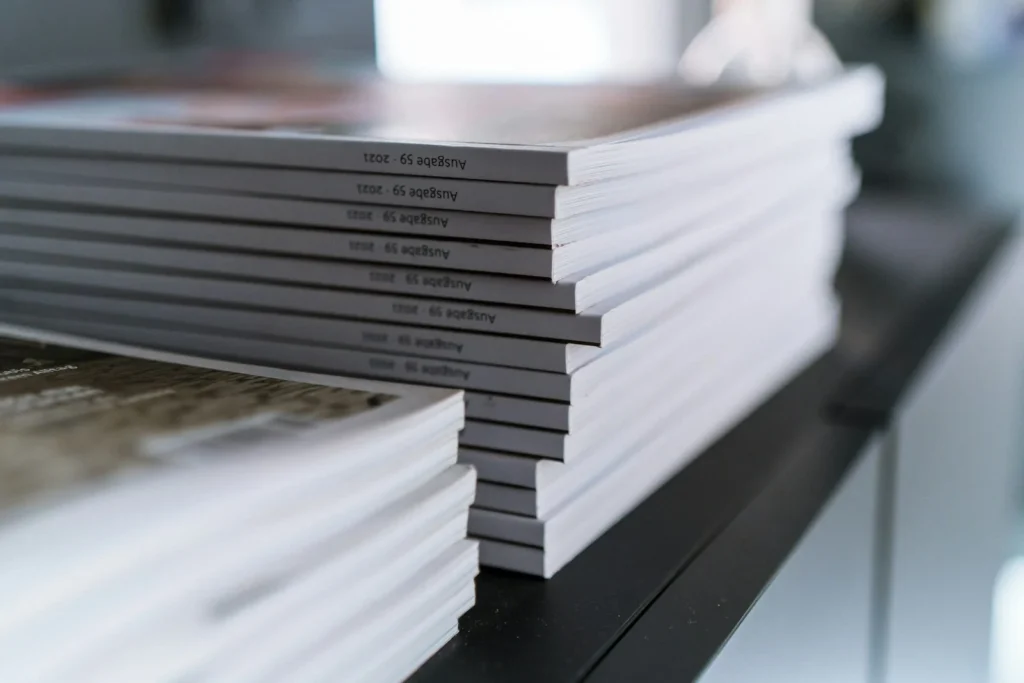
Very thin paper looks cheap and is easily thrown away. A slightly heavier paper or a gloss or matt finish makes flyers feel more valuable. For brochures, use a cover stock heavier than the inside pages.
Colour
Full colour is standard and affordable at volume. Use your brand colours consistently.
Quantity
Unit cost falls as quantity rises, but do not print more than you can distribute while the offer is valid. Printing thousands of flyers for a one-week promotion that you can only hand out to a few hundred people wastes money.
Proofs
Always check a proof for spelling, phone numbers, prices and dates before printing the full run. One wrong digit in a phone number ruins the whole print.
Where to distribute flyers
Distribution is where most flyer campaigns succeed or fail. Choose places where your audience is and where people have a moment to look.
- Markets and shopping streets on busy days
- Lorry stations and bus terminals, where people wait
- Outside churches, mosques and events, with permission
- Schools and universities, within their rules
- Offices and business districts at lunchtime
- Partner businesses: salons, pharmacies, cafés and shops that agree to display your flyers
- Door-to-door in targeted neighbourhoods
- Inside deliveries and shopping bags for existing customers
- Exhibitions and trade fairs
- Community noticeboards
Our guide to local advertising in Ghana explains how flyers fit with radio vans, posters and market activations.
Ways to distribute
Hand-to-hand
Staff or promoters hand flyers to people directly. This allows a short conversation and is best for events and promotions. Train distributors to smile, say one sentence about the offer and respect people who decline.
Door-to-door
Placing flyers through doors or at gates in selected areas. Good for restaurants, delivery services, schools and home services.
Display racks and counters
Leaving flyers at partner businesses, hotels, clinics and offices. Good for brochures that people take when interested.
Inserts
Adding flyers to newspapers, magazines, parcels or shopping bags.
Direct mail
Posting flyers or brochures to specific addresses, where postal systems support it.
Designing a brochure people keep
Brochures do a different job from flyers. People take them home, compare options and share them with family before deciding. Good brochures:
- Open with the main promise on the cover, not just a logo.
- Follow a logical order: problem, solution, options, proof, prices or next steps, contact details.
- Use headings and short paragraphs so readers can scan.
- Show real photos of your premises, staff, products and customers.
- Include proof: testimonials, results, accreditations or awards.
- Answer common questions so customers do not have to call for basics.
- End with a clear next step: visit, call, book a tour, request a quote.
Schools, hospitals, hotels, real estate developers and professional firms benefit most from good brochures, because their customers make considered decisions.
Flyer ideas by business type
- Restaurants and food vendors: a menu with prices and a “show this flyer for a free drink” offer.
- Salons and barbers: a price list with a weekday discount to fill quiet days.
- Schools: admissions dates, fees summary, open day invitation and a map.
- Pharmacies and clinics: services list, opening hours and a free health check day.
- Gyms: a free first session voucher with class timetables.
- Shops: weekly specials with a coupon that expires on Sunday.
- Churches and events: programme details, speakers, date, venue and directions.
- Home services: a fridge magnet or card with the phone number and a first-job discount.
Choose the idea that gives your customers a reason to keep the flyer and act on it soon.

Making flyers part of a wider campaign
Flyers work better alongside other media:
- Posters in the same area repeat the message.
- Billboards and transit ads build awareness that makes people more likely to read your flyer.
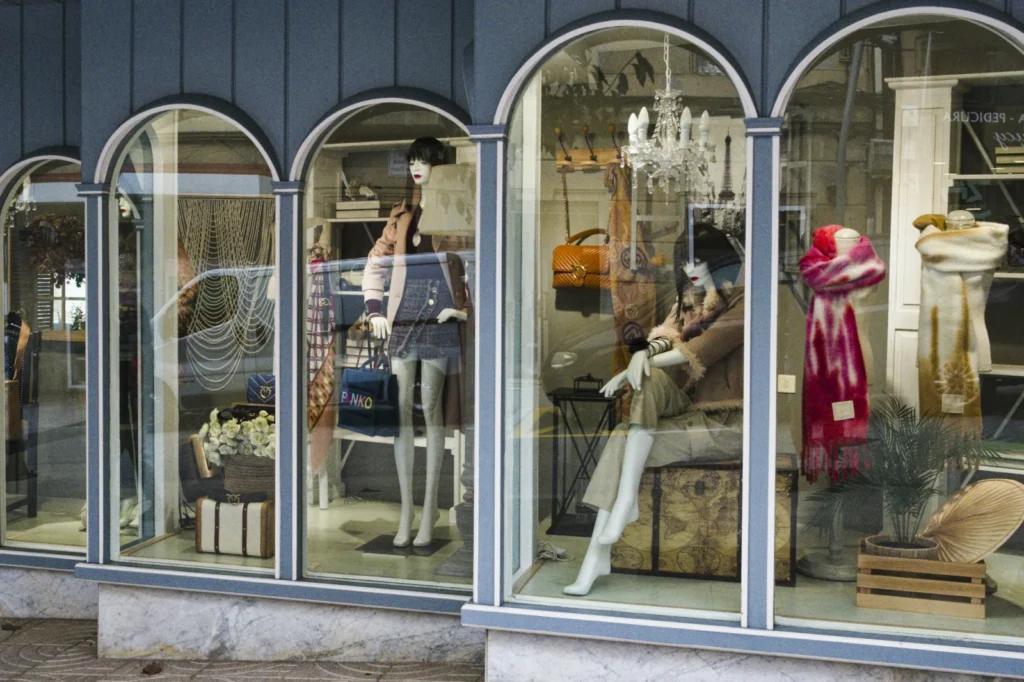
- Shop signs and window displays confirm customers have found the right place. See window display ideas.
- Social media extends the offer to people who prefer online.
- Activations let people try the product when they receive the flyer.
How much do flyers cost?
Costs depend on size, paper, colour, quantity and where you print. The main parts are:
- Design: in-house, freelancer or agency.
- Printing: unit cost falls with higher quantities.
- Distribution: staff wages, transport and any fees for door-to-door or insert services.
Distribution often costs more than printing. A cheap print run with poor distribution delivers little. Budget for both.
Tracking flyer results
To know whether flyers work, build tracking into the design:
- A coupon or code printed only on the flyer
- “Bring this flyer” offers so you can count returned copies
- A dedicated phone or WhatsApp number
- A QR code or short web address that only appears on the flyer
- Different codes for different areas, so you can compare distribution points
- Asking every new customer where they heard about you
Compare responses with the number of flyers distributed and the total cost to calculate cost per response. Our guide to measuring billboard ROI explains the same methods for outdoor ads.

Rules and etiquette
- Check local rules. Some areas restrict flyer distribution or littering. Some assemblies or councils require permits for street promotion.
- Ask permission before distributing at private venues, churches or schools.
- Do not litter. Flyers scattered on the ground damage your brand and may lead to fines.
- Respect “no flyers” signs on homes and businesses.
- Follow data rules if you collect contact details.
Common flyer mistakes
- Too much text and no clear headline
- No deadline, so there is no reason to act now
- Wrong or missing contact details
- Printing too many for the time available
- Distributing to the wrong people
- Cheap paper that feels disposable
- No tracking method
A simple flyer campaign plan
- Choose one offer with a clear deadline.
- Design an A5 flyer with headline, image, offer, contact details and a code.
- Print a quantity you can distribute in one to two weeks.
- Pick three distribution points where your customers gather.
- Train two people to hand out flyers with a short greeting.
- Track code redemptions daily.
- Compare results by location and repeat the best ones.
Frequently asked questions
Does flyer distribution really work?
Yes, when the offer is clear, the design is strong, the distribution targets the right people and you track the response.
What is a good response rate for flyers?
Response rates vary widely by offer and audience. Track your own results and focus on cost per customer rather than a general benchmark.
What size flyer is best?
A5 is a popular choice for promotions. A6 suits coupons and invitations; DL suits menus and racks.
Should I use flyers or social media ads?
Both. Flyers reach people physically in a specific area; social media reaches people online. Together they reinforce each other.
How many flyers should I print?
Print what you can realistically distribute while the offer is valid, then reprint if the campaign works.
How do I stop flyers being thrown away?
Give people a reason to keep them: a discount, a menu, a price list, a calendar or useful information. Hand them out where people have time to read, and use good paper that feels worth keeping.
When is the best time to hand out flyers?
When your audience is present and not rushing: market days, lunch breaks, after church services, at events and during weekend shopping hours.