
Share
This guide is written for advertisers and printers in Ghana, where most billboards use printed flex that must survive strong sun, heavy rain and harmattan dust.
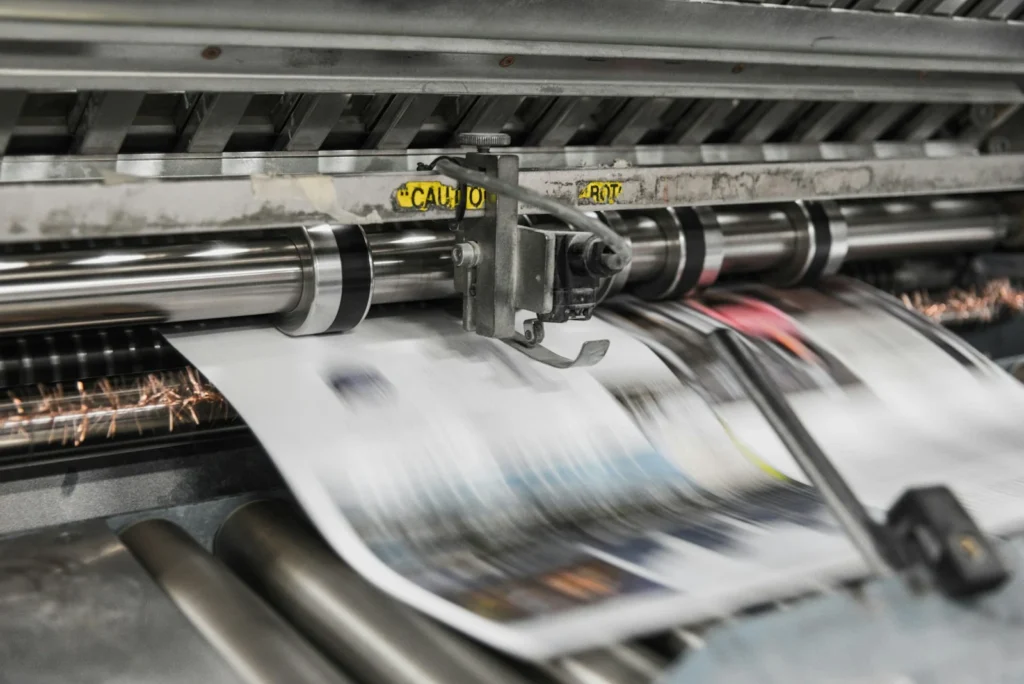
Every printed billboard starts as a roll of material in a large-format printer. The material you choose affects how sharp the ad looks, how long it survives sun, rain and wind, how easy it is to install and how much the campaign costs. Yet many advertisers never ask what their billboard is printed on.
This guide compares the main billboard printing materials: flex, vinyl, mesh and paper posters. It also covers inks, resolution, file preparation, installation and what happens to old prints.
Billboard printing in Ghana: local tips
Flex is the standard billboard material in Ghana because it is affordable, widely available and quick to print. To get good results here:
- Ask for UV-resistant inks so colours do not fade within weeks of strong sun.
- Use mesh for very large boards, building wraps and windy sites.
- Check eyelets and hems so flex does not tear in storms.
- Agree turnaround times before Christmas, Easter and elections, when printers are busiest.
- Reuse or recycle old flex where possible; many are reused as covers and shades.
What are billboards printed on?
Flex
Flex is a PVC-coated polyester fabric, widely used for billboards and banners in Africa, Asia and the Middle East. It is strong, affordable and easy to print and install.
- Frontlit flex is printed on the front and lit from the front by floodlights. It is the standard material for most roadside boards.
- Backlit flex is more translucent, designed for lightboxes and backlit billboards where lights shine through from behind.
- Blockout flex has a dark layer in the middle that stops light passing through, useful for double-sided banners.
Flex comes in different weights. Heavier flex resists tearing and stretching better but costs more and is heavier to install.
Vinyl
Billboard vinyl is a heavy, durable material used widely in the United States and other markets for large bulletin faces. It is stretched over the board and tied or tensioned into place. Vinyl is tough, weather-resistant and can often be reused or recycled.
Self-adhesive vinyl is a different product, used for wall graphics, vehicle wraps, window graphics and smaller signs. It sticks directly to a flat surface.
Mesh
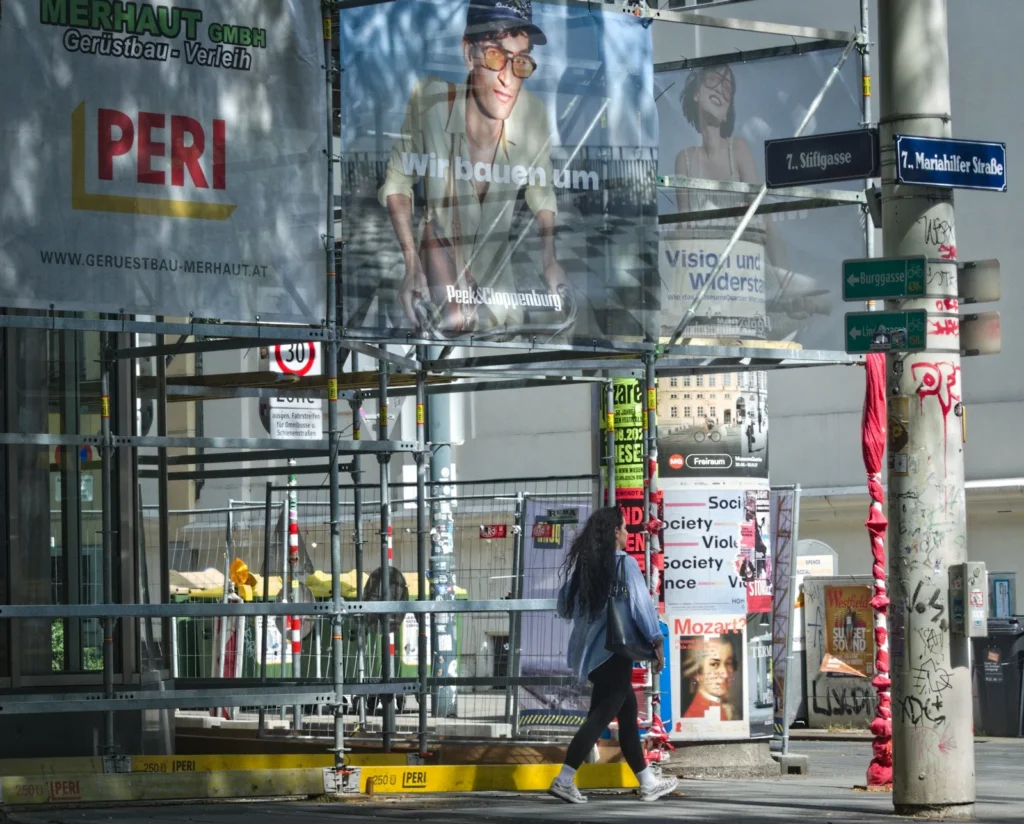
Mesh is a perforated vinyl or PVC material with small holes that let wind pass through. It reduces wind load on structures, so it is used for very large boards, building wraps, scaffolding covers and fences in windy areas. Images look slightly less solid up close but read well from a distance.
Paper posters
Paper posters are printed in sheets and pasted onto boards, a method still used for some formats in the UK, Europe and other markets. Paper is inexpensive to print in large runs and quick to replace, but less durable than PVC materials and usually used for shorter campaigns.
Fabric
Polyester fabric is used for indoor displays, backlit lightboxes and premium outdoor frames with tensioning systems. It gives a soft, non-reflective finish.
Materials compared
| Material | Durability | Cost | Best for |
|---|---|---|---|
| Frontlit flex | Good | Low to medium | Most roadside boards and banners |
| Backlit flex | Good | Medium | Lightboxes and backlit boards |
| Billboard vinyl | Very good | Medium to high | Large bulletins, long campaigns |
| Mesh | Good | Medium | Windy sites, building wraps, fences |
| Paper posters | Fair | Low | Short campaigns, poster formats |
| Fabric | Good | Medium to high | Indoor, premium tensioned frames |
How to choose the right material
Consider campaign length
For a two-week promotion, cheaper materials may be fine. For a six or twelve-month booking, heavier flex or vinyl will hold colour and shape better.
Consider the climate
Strong sun fades colours; heavy rain and wind stress materials. In hot, sunny climates, choose UV-resistant inks and materials. In windy locations, consider mesh.
Consider the structure
Ask the media owner what the frame supports. Some boards are designed for tensioned flex, others for vinyl with ropes or poster sheets.
Consider lighting
Frontlit boards need frontlit materials; backlit boxes need backlit materials. Using the wrong one gives a dull or patchy result.
Consider reuse
If you plan to rotate the same artwork across several boards, durable vinyl or heavy flex can survive being moved and reinstalled.
Inks and print quality
Large-format printers use several types of ink:
- Solvent and eco-solvent inks are common for outdoor flex and vinyl. They bond well and resist weather.
- UV-curable inks are cured instantly by ultraviolet light. They are durable and can print on many materials.
- Latex inks are water-based, with lower odour, and are used for indoor and outdoor work.
For outdoor billboards, ask for inks rated for outdoor use and UV resistance. Cheap inks can fade quickly, especially reds and yellows in strong sun.
Resolution: how sharp does a billboard need to be?
Billboards are viewed from a distance, so they do not need the very high resolution used for magazines. Large boards are often printed at relatively low resolutions compared with small print, because the eye cannot see fine detail from across a road.
Rather than guessing, ask your printer for their required resolution at full size. Many printers prefer files supplied at a scaled-down size, such as one-tenth of the final dimensions, at a higher resolution, which keeps file sizes manageable. Follow their instructions exactly.
Practical tips:
- Use the highest-quality photos you have.
- Avoid enlarging small web images; they will look blurry.
- Vector logos and text stay sharp at any size.
- View the design at a small scale across a room to judge legibility.
Preparing print-ready files
- Get the exact size from the media owner, including any area hidden by the frame.
- Add bleed: extra image beyond the edge, which is trimmed or wrapped around the frame.
- Keep a safe zone: keep text and logos away from the edges.
- Use CMYK colour unless your printer asks otherwise.
- Embed or outline fonts.
- Supply PDF or the format requested by the printer.
- Check a proof for colour, spelling and phone numbers before printing.
Good design matters as much as good printing. Our guide to billboard copywriting explains how to write for outdoor. The principles of one idea, few words and strong contrast apply to every material.

Installation and maintenance
- Tension properly. Loose flex flaps, tears and looks wrinkled.
- Use the right fixings: ropes, bungee cords, tension bars or adhesive as the frame requires.
- Install in good weather where possible.
- Inspect after storms and fix tears quickly.
- Clean dusty faces if the campaign is long.
For larger structures, installers work at height and must use proper safety equipment.
What happens to old billboard prints?
Used flex and vinyl are tough materials, which makes them useful after a campaign. Common reuse includes:
- Tarpaulins and covers for markets, farms and building sites
- Bags, wallets and accessories made by upcycling businesses
- Shade covers and fencing
- Recycling programmes run by some media owners and printers
PVC materials are not easy to recycle in all areas. Some printers and media owners offer PVC-free or recyclable alternatives. Our guide to sustainable outdoor advertising looks at greener options.
Choosing a billboard printer
Not every printer is set up for large outdoor work. Before you commit:
- Ask what machines they use and the maximum width they can print without joins. Very large boards may need panels joined together, so ask how they make the joins neat and strong.
- Look at outdoor work that has been up for several months, not just fresh samples.
- Ask which materials and inks they stock, and whether they offer UV-resistant options.
- Confirm colour matching. If your brand uses specific colours, ask for a printed test strip.
- Check turnaround times, especially before busy seasons.
- Ask whether they finish and install, or work with installers they trust.
- Agree reprint terms if the print arrives damaged or wrong.
A printer who asks about the board, lighting and campaign length before quoting is usually a good sign.
Billboard printing costs
Printing cost depends on:
- Size of the print, usually charged per square metre or square foot
- Material and its weight
- Ink type and print quality
- Finishing: hemming, eyelets, pockets
- Quantity: several prints together are usually cheaper per unit
- Delivery and installation
Printing is a separate cost from media rental in many quotes. Our billboard cost guide explains how printing fits into the total budget.
Billboard printing in Ghana and West Africa
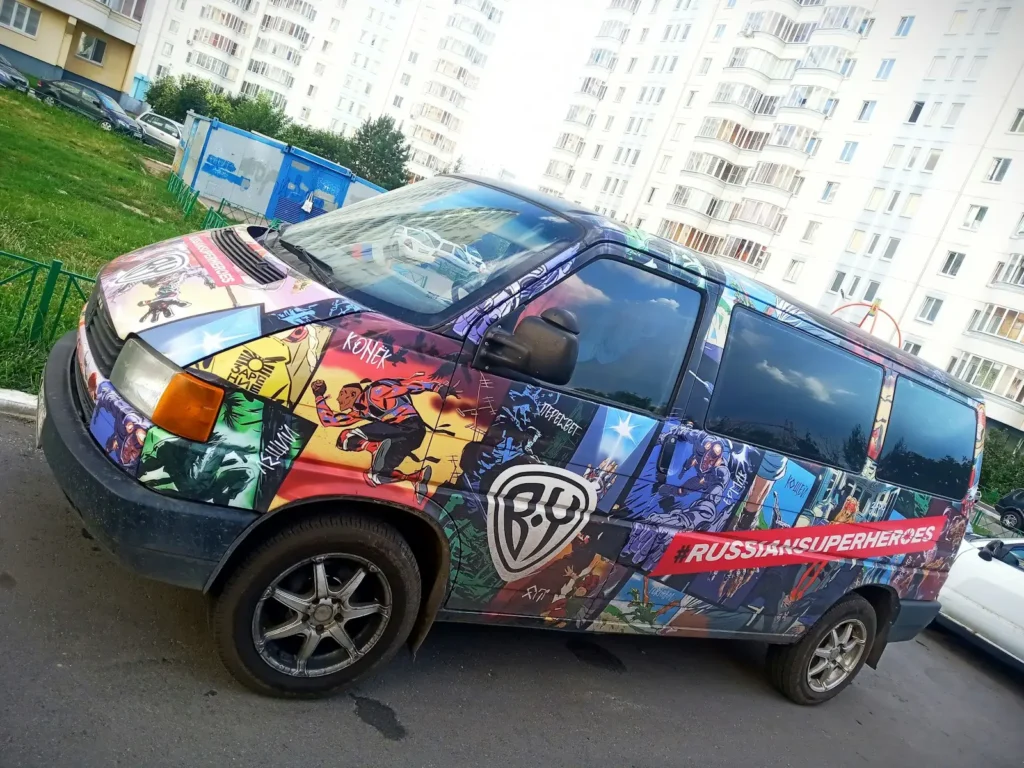
In Ghana and much of West Africa, frontlit flex is the standard material for billboards and banners. Large-format printers operate in all major cities, and prices are often quoted per square foot. Strong sun makes UV-resistant inks and heavier flex worth considering for longer campaigns. Our guide to banner printing in Ghana covers local printing in more detail.
Common printing mistakes
- Using low-resolution images that look blurred at size.
- Ignoring bleed so edges show white gaps.
- Text too close to edges, hidden by the frame.
- Wrong material for the lighting type.
- Cheap inks that fade within weeks.
- No proof check, leading to costly reprints.
Frequently asked questions
What material are billboards printed on?
Most are printed on flex or vinyl. Mesh is used in windy locations, and paper posters are used for some formats.
What is the difference between flex and vinyl?
Both are PVC-based. Flex is a coated fabric common in many markets for banners and boards; billboard vinyl is a heavier material common on large US-style bulletins.
How long does a billboard print last?
It depends on material, ink and weather. Heavier materials and UV-resistant inks last much longer than thin, cheap prints.
What resolution should a billboard file be?
Ask your printer. Large boards need lower resolution at full size than small prints, and many printers accept scaled files.
Can billboard prints be recycled?
Some can, and many are reused as tarpaulins or upcycled products. Ask your printer or media owner about recycling options.