Share
This guide is written for Ghanaian brands, exporters and agencies who want to advertise abroad, and for anyone comparing Ghana’s outdoor market with the rest of the world.
Outdoor advertising is truly global. Every major city in the world carries billboards, posters, screens and branded vehicles. Yet each country does it differently. Formats, sizes, rules, buying methods, prices and creative styles change from market to market, shaped by roads, cities, culture, law and history.
For advertisers planning campaigns in more than one country, and for anyone curious about how outdoor advertising works elsewhere, this guide compares the main regions and countries, explains what stays the same and what changes, and shows how to plan an international outdoor campaign.
How Ghana compares with other markets
Ghana’s outdoor advertising market has a lot in common with other West African markets and some big differences from mature markets such as the USA or UK:
- Formats: Ghana relies heavily on large static unipoles, transit branding (especially trotros), shop signs and activations, with LED screens growing in Accra and Kumasi. Mature markets have more standardised formats, extensive bus shelter networks and large digital networks.
- Buying: most Ghanaian campaigns are bought directly from media owners or through agencies. Programmatic buying is common in the USA, UK and other mature markets but still limited in Ghana.
- Measurement: countries such as the USA (Geopath) and UK (Route) have industry-wide audience measurement. In Ghana, advertisers rely mainly on traffic estimates from media owners and their own tracking codes.
- Regulation: in Ghana, assemblies control sites and the Food and Drugs Authority approves adverts for certain products. Other countries have national advertising standards bodies, planning systems or city-level agencies, such as LASAA in Lagos.
- Costs: Ghana’s prices are generally lower than in major Western cities, but premium Accra junctions can still be expensive relative to local budgets.
For Ghanaian brands expanding abroad, the main lessons are to start in the cities where your product is sold, work with a local agency, adapt creative to local culture and check local content rules before launch. Our pillar guide to outdoor advertising in Ghana explains the home market in detail.
What is the same everywhere
Before looking at differences, it helps to know what is universal:
- Location drives value. Busy roads, city centres and transport hubs are the most expensive sites everywhere.
- Simple creative wins. One idea, few words and a large logo work in every language.
- Digital is growing. Screens are replacing printed faces in the busiest locations worldwide. See our guide to DOOH advertising.
- Regulation is local. Cities, regions and national authorities control where boards can stand and what ads can say.
- Media owners sell space. Large international groups operate in many countries alongside strong local companies.
Which countries spend the most on outdoor advertising?
The largest outdoor markets by spend are generally the biggest economies with large urban populations. The United States is usually ranked as the largest single market, with China, Japan, the United Kingdom, France and Germany among the other major markets. Fast-growing markets include India, Indonesia, Brazil, the Gulf states and several African countries, where new roads, malls and screens are expanding the industry.
Outdoor’s share of total advertising spend also varies. In some countries it is a small slice next to television and online; in others, especially where TV audiences are fragmented or roads are central to daily life, outdoor takes a larger share.
Global media owners
A small number of groups operate across many countries:
- JCDecaux, founded in France, is known worldwide for street furniture such as bus shelters and city information panels, as well as airport and billboard advertising.
- Clear Channel Outdoor operates billboards, street furniture and digital screens in North America and Europe.
- Lamar Advertising and OUTFRONT Media are among the largest operators in the United States.
- Ströer is a major operator in Germany.
Alongside them, every market has strong national and local media owners. In many African, Asian and Latin American countries, local companies own most of the roadside boards.
Africa
Africa’s outdoor markets are growing quickly, driven by urbanisation, new infrastructure, mobile money and expanding consumer brands.
Common features
- Large roadside billboards on main city roads and highways
- Rapid growth of LED screens at busy junctions in major cities
- Heavy use of branded transport: minibuses, buses and taxis
- Wall painting and shop branding in neighbourhoods and small towns
- Roadshows, announcement vans and market activations
- Regulation mostly at city or state level, with enforcement varying by area
Ghana
Ghana combines premium billboards and LED screens in Accra and Kumasi with trotro branding, painted kiosks and banners across the country. Local assemblies issue permits, and regulated products need approval from the Food and Drugs Authority. Read our full guide to outdoor advertising in Ghana.
Nigeria
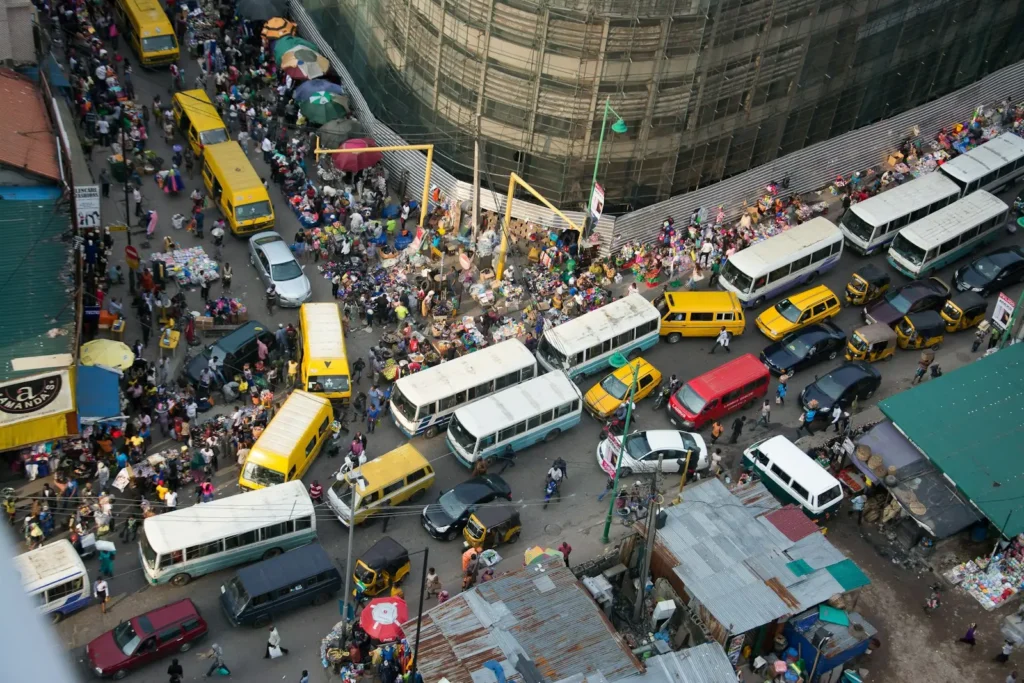
Nigeria is one of Africa’s largest outdoor markets, centred on Lagos, Abuja and Port Harcourt. In Lagos, the Lagos State Signage and Advertisement Agency (LASAA) regulates outdoor advertising. Large boards, gantries and LED screens line major roads, and traffic congestion gives long viewing times.
Kenya
Nairobi is East Africa’s outdoor hub, with billboards along main highways, screens in commercial districts and strong use of matatu branding. County governments regulate outdoor advertising.
South Africa
South Africa has a mature outdoor industry with billboards, street furniture, airport media, mall media and a significant digital network in Johannesburg, Cape Town and Durban. Roadside advertising near national roads is subject to national road agency rules as well as municipal by-laws.
Rwanda, Egypt and Morocco
Kigali has a clean, orderly outdoor environment with relatively strict rules. Cairo is a large market with giant boards along ring roads and bridges. Casablanca and Marrakech mix billboards with street furniture and tourism-focused media.
North America
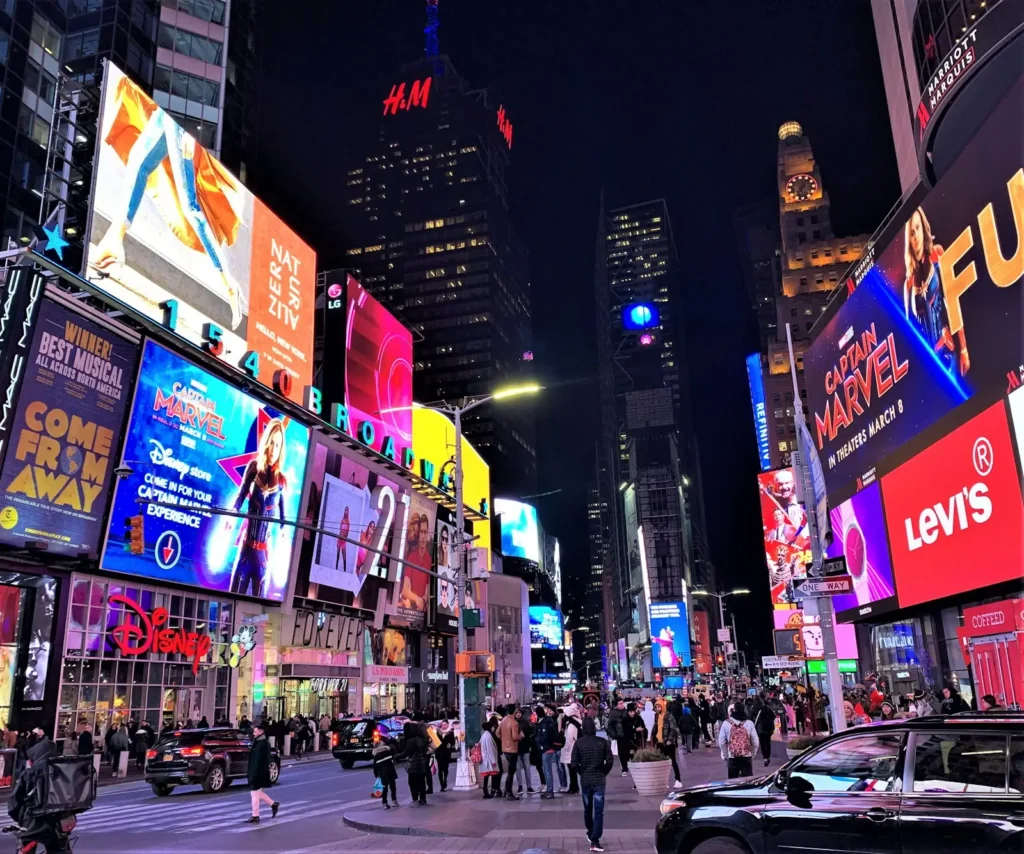
United States
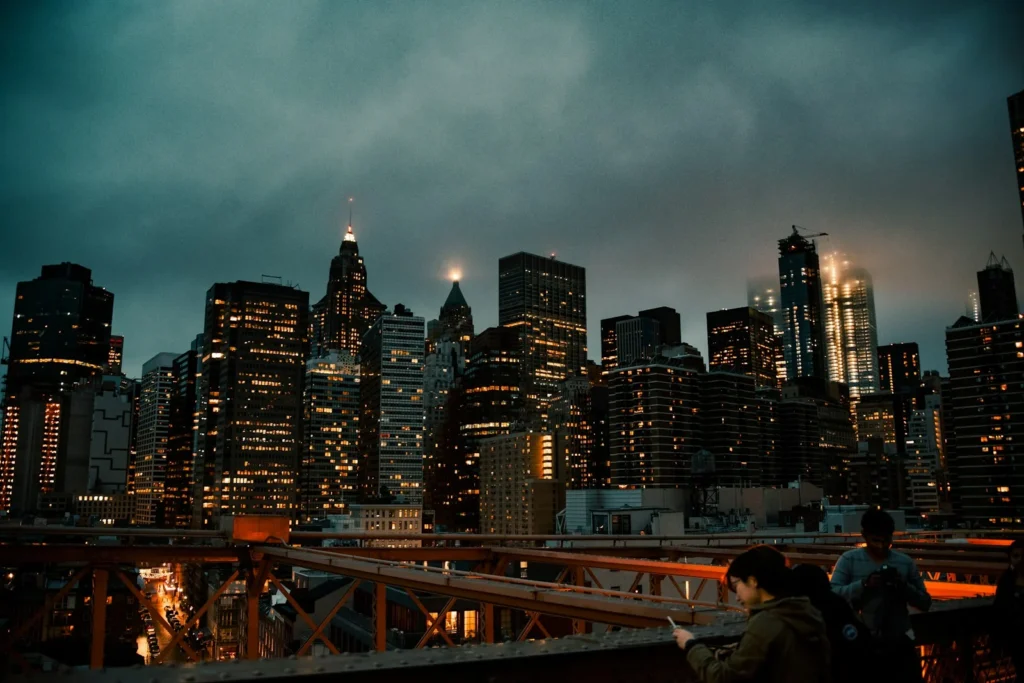
The US has a vast roadside billboard network built around highways, with standard formats such as 14 by 48-foot bulletins and smaller posters. The Highway Beautification Act of 1965 and state laws control billboards along federal highways, and Vermont, Maine, Alaska and Hawaii ban most billboards. Digital billboards, programmatic buying and audience measurement through Geopath are well developed. Read our guide to outdoor advertising in the USA.
Canada
Canada’s outdoor market resembles the US in formats, with strong street furniture and transit networks in Toronto, Montreal and Vancouver, and rules set by provinces and municipalities. In Quebec, French-language requirements apply to commercial signs.
Mexico
Mexico City, Guadalajara and Monterrey carry large billboards, screens and transit media. Mexico City has periodically tightened billboard rules to reduce visual clutter.
Jamaica and the Caribbean
Jamaica’s outdoor market centres on Kingston and Montego Bay, with roadside boards reaching residents and tourists. Island-wide coverage is possible with a relatively small number of well-placed boards on main routes.
South America
Brazil
São Paulo is famous for its Clean City Law, passed in 2006 and enforced from 2007, which removed most billboards and large signs. Advertisers there rely on street furniture, transit and approved formats. Other Brazilian cities have their own rules, and Rio de Janeiro has a strong outdoor market.
Colombia, Peru, Chile and Argentina
Bogotá and Medellín, Lima, Santiago and Buenos Aires all have active outdoor markets with billboards, metro and bus advertising and street furniture. Many cities have tightened rules on large roadside boards and encourage street furniture and digital screens instead.
Europe
Europe’s outdoor markets are known for street furniture, strict planning rules and high creative standards.
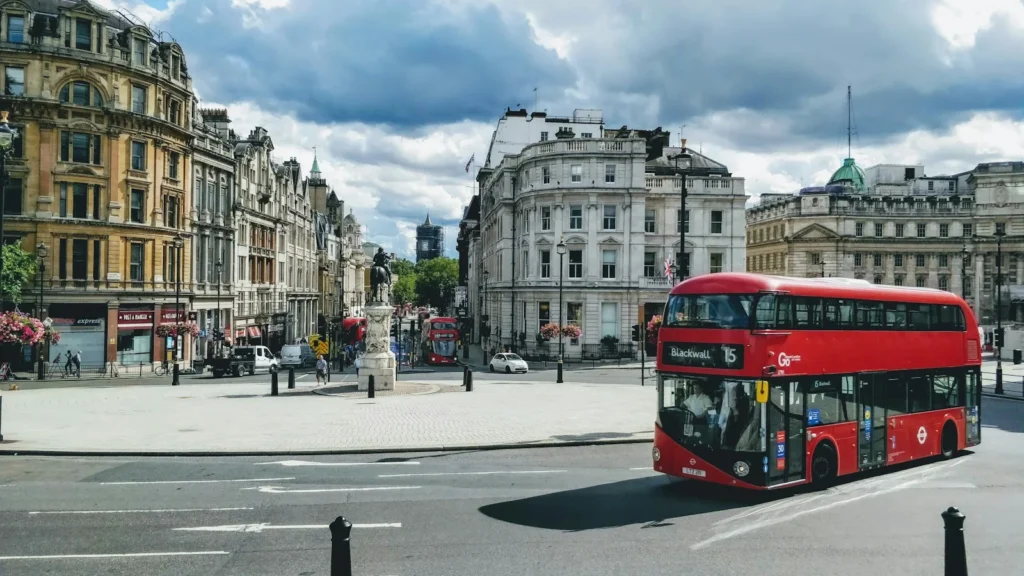
United Kingdom
The UK uses standard formats such as the 48-sheet (about 6 metres by 3 metres) and 96-sheet roadside posters, 6-sheet street furniture panels and extensive digital screens. London’s transport network carries large amounts of advertising. Advertisements need consent under planning regulations, and the Advertising Standards Authority enforces content rules. Read our guide to outdoor advertising in the UK.
France
France is home to some of the world’s largest street furniture operators. Paris is known for bus shelters, advertising columns and strict local rules on billboard size and placement. National environmental rules limit advertising in some areas and control lighting at night.
Germany
Germany is famous for its advertising columns, known as Litfaßsäulen, which date back to the nineteenth century, alongside billboards, street furniture, rail station media and a large digital network.
Netherlands, Switzerland and Norway
These markets rely heavily on street furniture, rail station media and carefully controlled roadside formats. Rules are often strict, and some cities limit advertising in historic centres.
Spain and Italy
Madrid, Barcelona, Rome and Milan combine street furniture, metro advertising, building wraps on scaffolding and roadside boards on main routes into cities.
Middle East
United Arab Emirates
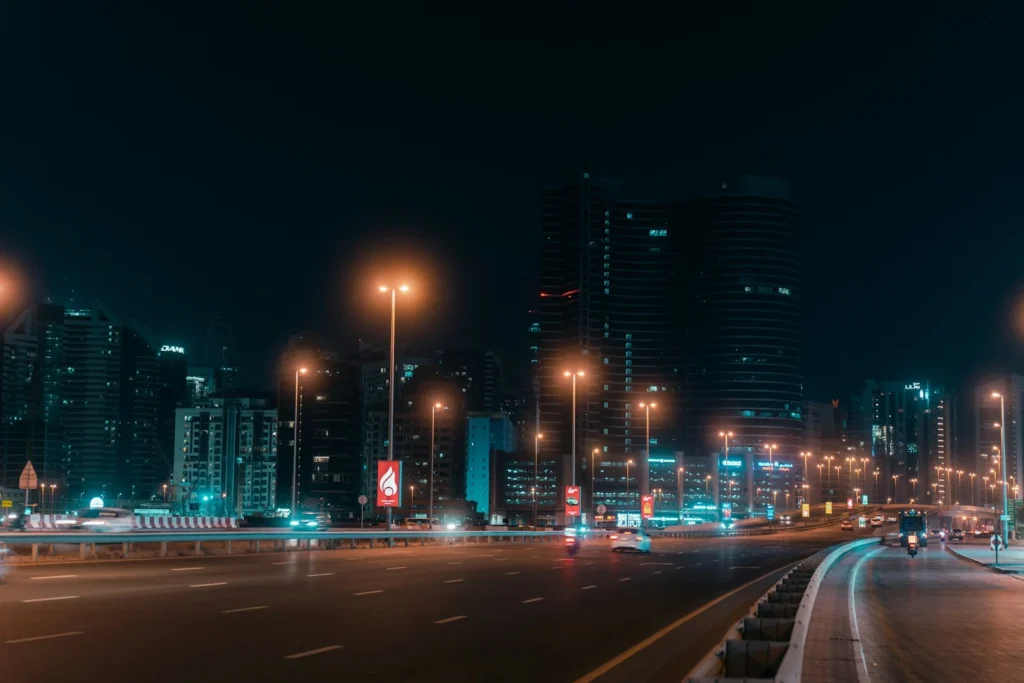
Dubai is known for very large roadside formats along Sheikh Zayed Road, premium digital screens, mall media and airport advertising. Approvals are managed by the relevant emirate authorities, and content must respect local cultural standards.
Saudi Arabia
Riyadh and Jeddah are fast-growing markets with large digital screens, mall media and roadside boards, expanding with new developments and events.
Qatar
Doha combines premium billboards, digital screens and mall media, with approvals from municipal authorities.
Asia
Japan
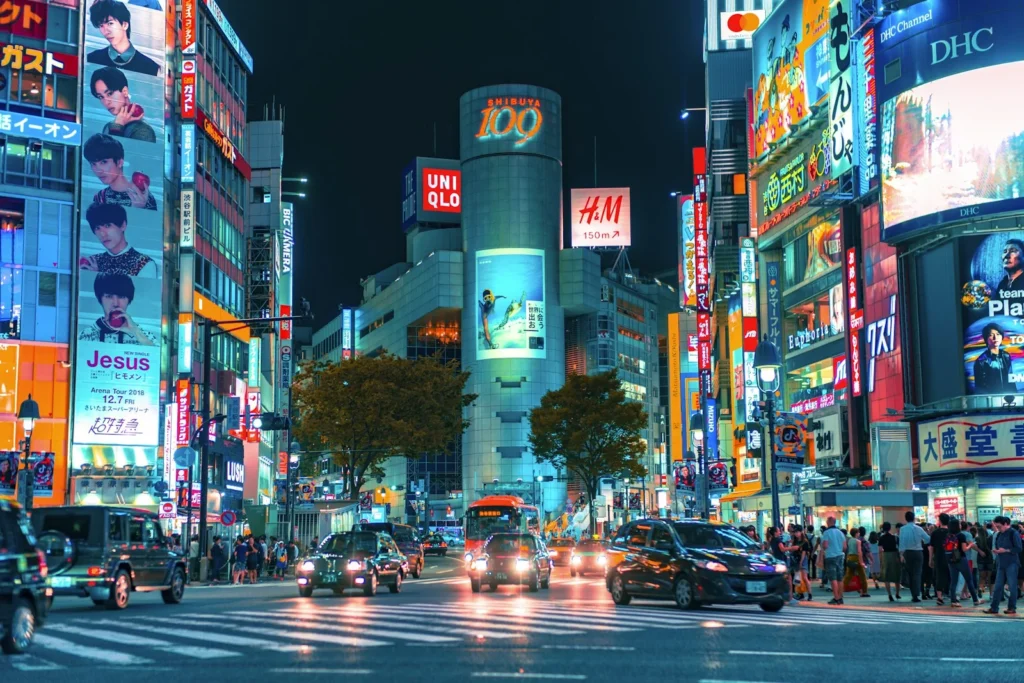
Tokyo’s Shibuya crossing and Shinjuku are famous for walls of screens and illuminated signs. Japan also has one of the world’s most extensive train advertising systems, with ads inside carriages, on platforms and in stations.
South Korea
Seoul combines large digital screens, including famous 3D displays, with extensive subway and bus advertising.
China
China has one of the world’s largest outdoor markets, with huge digital networks in cities, elevator screens in office and residential buildings, transit media and airport advertising.
India
India’s outdoor market is large and diverse, with billboards and hoardings in Mumbai, Delhi and Bengaluru, transit media, and growing digital networks. Rules vary by city and state.
The Philippines, Singapore and Southeast Asia
Manila’s EDSA highway is lined with giant billboards. Singapore has tightly controlled, high-quality media in its MRT system and on Orchard Road. Indonesia, Vietnam and Thailand are fast-growing markets.
Oceania
Australia
Australia has a mature outdoor market with billboards, street furniture, airport, rail and retail media, and a high share of digital screens in Sydney, Melbourne and Brisbane. Industry measurement is well developed.
New Zealand
Auckland and Wellington offer billboards, street furniture and digital screens, with local council rules on placement and size.
Standard billboard sizes in different markets
Sizes are not universal, which is one of the first surprises for international advertisers. A few well-known standards:
| Market | Format | Approximate size |
|---|---|---|
| United States | Bulletin | 14 x 48 feet (about 4.3 x 14.6 m) |
| United States | 30-sheet poster | About 10 x 22 feet (about 3.2 x 6.9 m) |
| United Kingdom | 48-sheet | About 6 x 3 m |
| United Kingdom | 96-sheet | About 12 x 3 m |
| United Kingdom and Europe | 6-sheet street panel | About 1.2 x 1.8 m |
| France | 4×3 billboard | About 4 x 3 m |
| Germany | 18/1 large-format poster | About 3.6 x 2.5 m |
Many African, Middle Eastern and Asian markets use sizes set by each media owner rather than a national standard, often quoted in metres or feet. Always ask for the exact artwork dimensions, including bleed and any area hidden by the frame.
Buying periods and pricing habits
How space is sold differs too:
- United States: often sold in four-week periods, with monthly pricing for many boards.
- United Kingdom: roadside posters traditionally sold in two-week cycles, with digital screens sold by week, day or programmatically.
- Much of Africa: boards usually rented per month, often with minimum terms of three months or more for premium sites.
- Middle East: premium roadside formats are often sold for long periods, with digital screens offering shorter bookings.
- Asia: varies widely, from monthly roadside rentals to short, high-priced bookings on landmark screens.
Knowing the local habit helps you plan campaign lengths and compare prices fairly.
Content rules that differ between countries
Content standards vary more than most advertisers expect:
- Tobacco advertising is banned or heavily restricted in most countries.
- Alcohol rules range from almost no outdoor restrictions to complete bans, with many countries limiting placement near schools or banning certain imagery.
- Gambling is restricted in many markets and banned in some.
- Food aimed at children faces growing restrictions in several countries, such as limits on ads for foods high in fat, sugar or salt near schools or on public transport.
- Medicines and health claims usually require regulatory approval.
- Political advertising has special rules on timing, disclosure and placement.
- Decency standards differ, especially around clothing, body imagery and relationships.
Check every market before finalising creative, and allow time for approvals where they are required.
Cultural considerations
Good international outdoor respects local culture:
- Colours carry different meanings. White can signal purity in one culture and mourning in another.
- Gestures and symbols that are harmless in one country can offend in another.
- Reading direction matters in Arabic-speaking markets, where text reads right to left and layouts may need mirroring.
- Faces and models should reflect the local population, or ads can feel foreign.
- Religious calendars affect timing and tone, such as Ramadan in Muslim-majority countries.
- Humour rarely translates directly. A pun in one language may mean nothing, or something unfortunate, in another.
Local agencies and native speakers are the best protection against costly mistakes.
How to run an international outdoor campaign
Step 1: Decide where and why
Choose countries and cities based on business goals: where you sell, where you are launching or where your audience is concentrated. Prioritise markets rather than spreading thinly.
Step 2: Research each market
For each country, learn:
- Main formats and standard sizes
- Leading media owners
- Typical booking periods and pricing models
- Permit and content rules, including restrictions on alcohol, gambling, food and health claims
- Language requirements and cultural sensitivities
- Peak seasons and holidays
Step 3: Work with local partners
International agencies can coordinate multi-country campaigns, but local agencies and media owners understand their markets best. Many advertisers use a lead agency with local partners in each country.
Step 4: Adapt the creative
A global idea can work everywhere, but details must change: language, imagery, prices, legal lines and sometimes colours or gestures that carry different meanings. Test the creative with local audiences. Our guide to billboard copywriting explains the universal principles.
Step 5: Plan production
Decide whether to print centrally and ship, or print locally in each country to the local specifications. Local printing usually saves time and shipping costs. See our guide to billboard printing.
Step 6: Coordinate timing
Launch dates, holidays and time zones need careful planning, especially for simultaneous launches.
Step 7: Measure consistently
Measurement systems differ between countries. Agree common measures across markets, such as campaign-specific web addresses, promo codes and sales comparisons, alongside local audience data. Our guide on how to measure billboard ROI explains practical methods.
Audience measurement around the world
Outdoor measurement has improved greatly, but methods vary by country:
- United States: Geopath provides audience estimates for many outdoor formats.
- United Kingdom: Route provides industry audience measurement for outdoor media.
- Other mature markets in Europe, Asia and Australia have their own industry systems based on traffic data, travel surveys and visibility studies.
- Emerging markets often rely on media owners’ traffic counts, mobile network data or one-off studies, so estimates can vary in quality.
When comparing markets, ask each media owner how its audience numbers are produced. Where independent measurement is limited, use response-based tracking such as promo codes and campaign-specific web addresses to judge results.
A sample multi-country plan
A consumer electronics brand launching a new phone in four markets might plan:
- Lagos and Accra: premium roadside billboards and LED screens on key routes, plus transit branding and mall activations.
- London: digital roadside screens and rail station media for two weeks around launch.
- Dubai: large roadside formats on a main highway and mall screens.
- Common elements: one global headline and visual, adapted into local language and sizes, with a campaign web address tracked by country.
After the first month, the brand compares cost per visit and sales lift by market and shifts budget toward the strongest performers.
Common challenges
- Different sizes and specifications that require many artwork versions
- Different buying periods, such as weekly in one country and monthly in another
- Currency changes affecting budgets
- Variable data quality, with detailed measurement in some markets and little in others
- Regulatory differences in content and placement
- Cultural misunderstandings when creative is not localised
Planning for these from the start prevents delays and wasted spend.
Cost differences between countries
Outdoor costs vary enormously between countries and between cities within countries. Premium sites in New York, London, Tokyo or Dubai cost far more than comparable sites in smaller cities or emerging markets. However, cost per thousand impressions can be competitive in many markets, because outdoor reaches large audiences. Compare costs on a CPM basis and consider the quality of the audience, not only the headline price. Our billboard cost guide explains how to build a budget.
Trends shaping outdoor advertising worldwide
- Digital expansion: more screens in more cities.
- Programmatic buying: international buyers can access screens in many countries through online platforms.
- Better measurement: mobile and traffic data improve audience estimates.
- Creative innovation: 3D screens, interactive displays and data-driven content.
- Sustainability: recyclable materials, solar power and energy-efficient screens.
- Stricter rules in some cities on clutter, brightness and placement.
Read more in our guide to outdoor advertising trends.
Frequently asked questions
Which country has the largest outdoor advertising market?
The United States is generally ranked as the largest single market, followed by other large economies such as China, Japan and major European countries.
Are billboard sizes the same everywhere?
No. Standard sizes differ between countries, such as US bulletins and UK 48-sheets. Always ask local media owners for exact specifications.
Can I buy outdoor advertising in several countries at once?
Yes, through international agencies, global media owners or programmatic platforms, usually with local partners in each market.
Are there countries that ban billboards?
Some places restrict billboards heavily. São Paulo removed most billboards under its Clean City Law, and several US states ban most roadside billboards.
Do I need to translate my outdoor ads?
Usually, yes. Use local languages where appropriate and check legal requirements, such as French-language rules in Quebec.
How do I choose which countries to advertise in?
Start with markets where you sell or plan to sell, where your audience is concentrated and where the cost of reaching them makes sense.
Is outdoor advertising cheaper in emerging markets?
Headline prices are often lower than in major Western or Asian cities, but premium sites in capital cities can still be expensive. Compare cost per thousand impressions and the quality of the audience, and remember to include production, permits and any currency risk.
Should I use one global agency or local agencies?
Many advertisers use a lead agency to coordinate strategy and creative, with local agencies or media specialists buying space and handling permits in each country. This combines consistency with local knowledge.